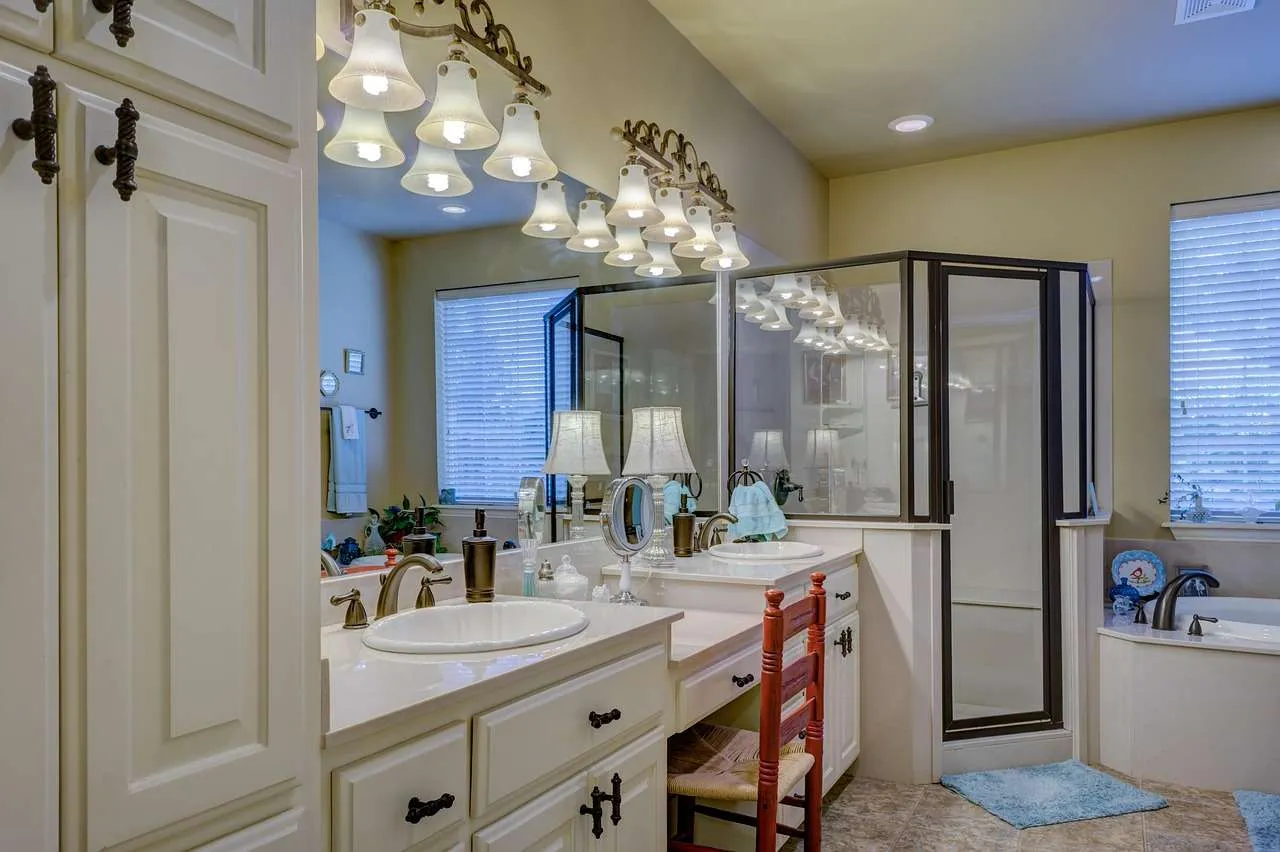
In many homes, the bathroom is small but essential. Small bathroom ideas address limited space with smart design choices that do not compromise function. In this guide, we cover layout strategies, storage ideas, color and lighting tips, and real world examples to help you plan a bathroom that feels larger and more efficient.
Smart Design Principles for Small Bathrooms
Layout decisions should focus on priorities, flow, and light. The goal is to maximize usable area while enhancing the perception of space through color, light, and clean lines.
Maximize Visual Space
Use a light neutral palette and reflective surfaces. Large mirrors, glass shower enclosures, and high gloss finishes bounce light around the room. Keep wall colors consistent to create an uninterrupted plane, and choose wall tiles that extend from floor to ceiling in the shower to avoid a cut line that breaks the space visually.
Smart Storage Solutions
In tight bathrooms, storage equals freedom. Consider recessed niches in the shower, a tall slim storage cabinet, and a mirrored medicine cabinet above the sink. A wall hung vanity with drawers creates storage without a bulky footprint and maintains floor clearance. Corner shelving and over door organizers add hidden space for towels and toiletries.
Layout and Fixture Options
Layout options depend on existing plumbing and door swing. Favor wall mounted fixtures to free floor space and improve accessibility. Here is a quick fixture options table to compare common choices.
| Fixture | Size/Fit | Pros | Cons | Best For |
|---|---|---|---|---|
| Wall hung toilet | Depth 16-20 in | Creates floor space, easier cleaning | Requires proper framing and access | Narrow rooms |
| Corner shower stall | 32x32 in or smaller | Makes use of corner space | Limited entry and height for tall users | Very small baths |
| Pedestal sink | 18-24 in wide | Airy feel, fewer cabinets | Limited storage | Tight footprints |
| Vessel sink on slim vanity | 22-28 in wide | Stylish and extra counter space | Under-sink storage reduced | Design-forward spaces |
When space is extremely tight, consider a compact shower with a sliding door or a corner wet room concept to eliminate doors that swing into the room. All fixtures should be chosen with a clear line of sight for the domain and function you need.
Storage and Organization
Organize with a system that keeps daily use items within reach and seasonal items out of sight. Use adjustable shelving inside cabinets, clear containers for small items, and labels to reduce rummaging. A frameless glass shower enclosure reduces visual bulk, while built in niches keep shampoo bottles off the floor.
Creative Storage Ideas
- Recessed shower niches for toiletries
- Tall slim cabinets or a recessed medicine cabinet
- Floating shelves above the toilet or sink
- Hidden towel bars and recessed LED lighting inside niches
- Over the door storage or a depth optimized vanity with drawers
Lighting, Color, and Materials
Lighting is a critical component in small baths. Layer ambient, task, and accent lighting to remove shadows. Opt for cool white LEDs that render true color and pair with matte and glossy finishes to balance texture. Choose large format tiles with minimal grout lines to create a seamless surface, and select glass or acrylic shower enclosures to maintain openness.
Budget Tips and Real World Examples
Small bathroom renovations can be affordable if you plan in stages. Start with essential updates such as lighting and a vanity, then address waterproofing and storage. Look for sales on fixtures, and consider prefabricated shower kits to reduce labor costs. If you are unsure of your plumbing changes, consult a licensed professional to avoid expensive mistakes.
Real world example sites or showrooms can provide inspiration for color pairing and hardware finishes. A light gray wall with white ceiling, chrome hardware, and a clear glass shower can feel larger while remaining timeless.
Conclusion
Conclusion, this guide outlines how small bathroom ideas combine layout, storage, lighting, and finishes to maximize space. By selecting compact, well built fixtures, clever storage, and a cohesive color palette, you can create a functional, stylish bathroom that feels larger than its actual footprint. Remember to measure carefully, plan for maintenance, and choose adaptable solutions that can evolve with your needs.
